
7 Simple Ways To Reduce Your Plastic Consumption Today
Brad • April 15, 2021
Plastic has now become a constant element in our lives. The omnipresence of plastic is such that most people will find the mere fact of giving it up a difficult task, but there are many simple ways to reduce your plastic consumption in your home. Reducing plastic consumption requires not only a change in habits but also a change of mindset.
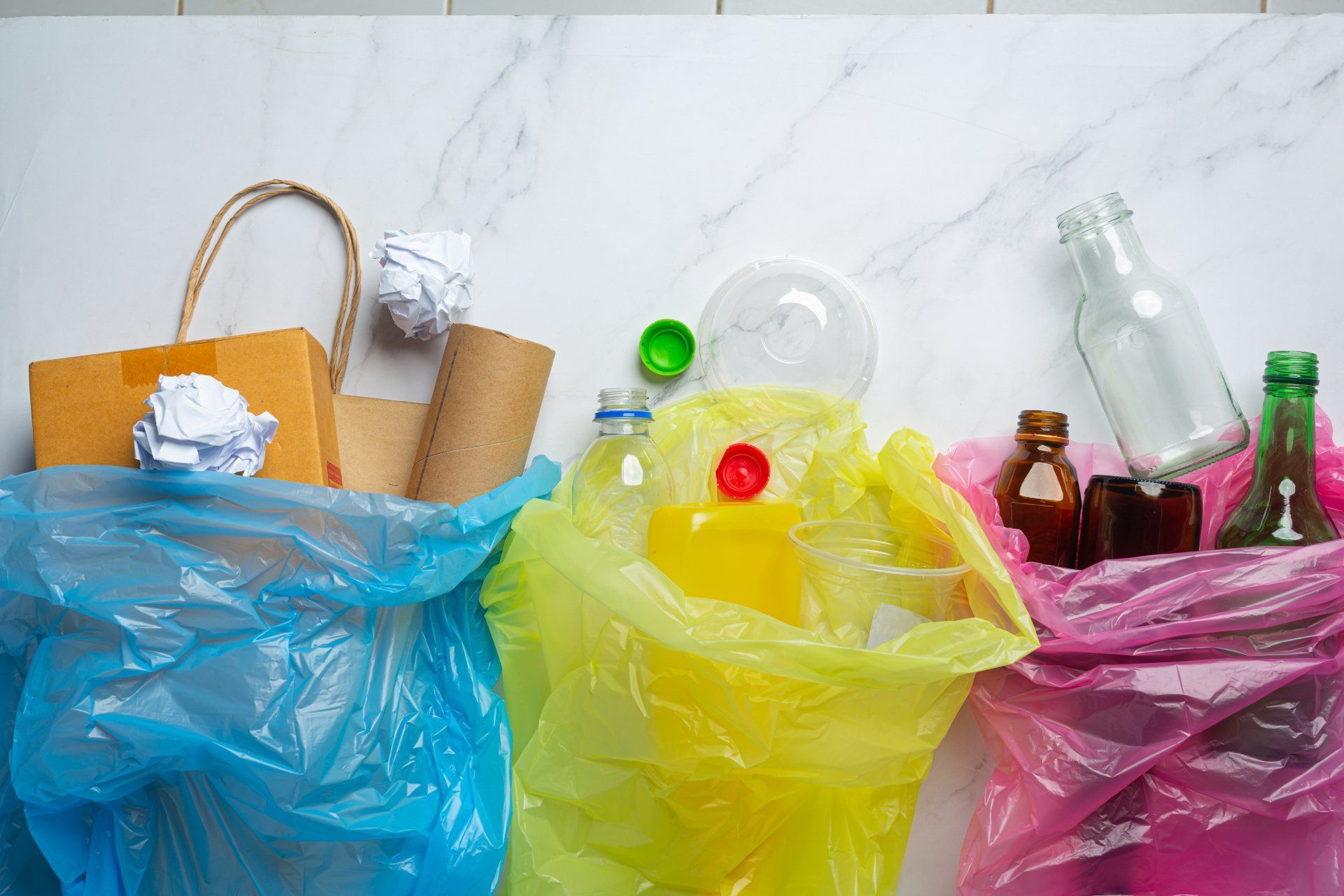
Plastic, A Global Problem
Plastics are now a global problem
and a serious headache for the planet. Several governments are proposing ways to reduce its impact on the environment. To put the magnitude of
the issues with plastic
into context, let's look at some objective data:
- By 2050, the sea would contain more plastic than fish.
- Plastic in the ocean is more than 150 million tons of waste.
- 500 billion plastic bottles are produced worldwide each year.
- Each year about eight million tons of plastic end up in the seas and oceans.
Ways To Reduce Your Plastic Consumption
Reducing plastic consumption is much easier than it seems. Here are seven ways to reduce your plastic consumption in your home today:
- Food packaging: Around 25% of domestic waste is from food packaging. Supermarkets provide more biodegradable food packaging choices instead of carrying loose netting or reusable bags for packing vegetables, fruits, or baked goods.
- Stop using bottled water: You should buy a reusable water bottle and bring it when you are out and about, like to work, on walks, or to the gym. Also, using a reusable bottle can save money in the long run.
- Bring your own reusable shopping bags: People often go to stores to get groceries and have to pay for a plastic bag to take them home. So why not bring reusable shopping bags with you? Put some bags in your car or leave them beside your shopping list so you'll remember to grab them on your way out. You can also use them for clothes shopping.
- Don't get pizza saver when ordering pizza: Most people wouldn't even think of this, but if you order a takeaway pizza, ask the restaurant not to include the pizza saver in your pizza.
- Cut back on the frozen convenience foods: A lot of packaging is used for frozen convenience foods. We're not saying that you should stop buying them altogether. They often come in handy for busy evenings when you don't have time to cook. But you can try reducing the number of frozen convenience foods you are currently buying.
- Choose toilet paper not wrapped in plastic: Many toilet roll suppliers are now using an alternative to plastic packaging. They are using paper that is much more widely recycled. You should opt for these brands of toilet paper over the plastic-wrapped options.
- Bring your own reusable travel mug for tea or coffee:
Bringing a reusable travel mug when getting takeaway teas or coffees is one of the ways to reduce your plastic consumption. Often, if you use a reusable cup, the shop would give you a small discount on the cost of your drink.
Conclusion: Spread awareness about the importance of reducing plastic consumption
These are just some simple ways to reduce your plastic consumption in your home today. In addition to reducing your plastic consumption, if you manage to get your friends, family, and colleagues to do the same, the impact of your actions for the
good of the planet
would increase exponentially.
GET IN TOUCH TODAY
TVG Waste Consulting
provides proactive environmental consulting services. We're dedicated to saving you time, money, and making sure you have a custom solution to meet your needs.
Contact us
today!
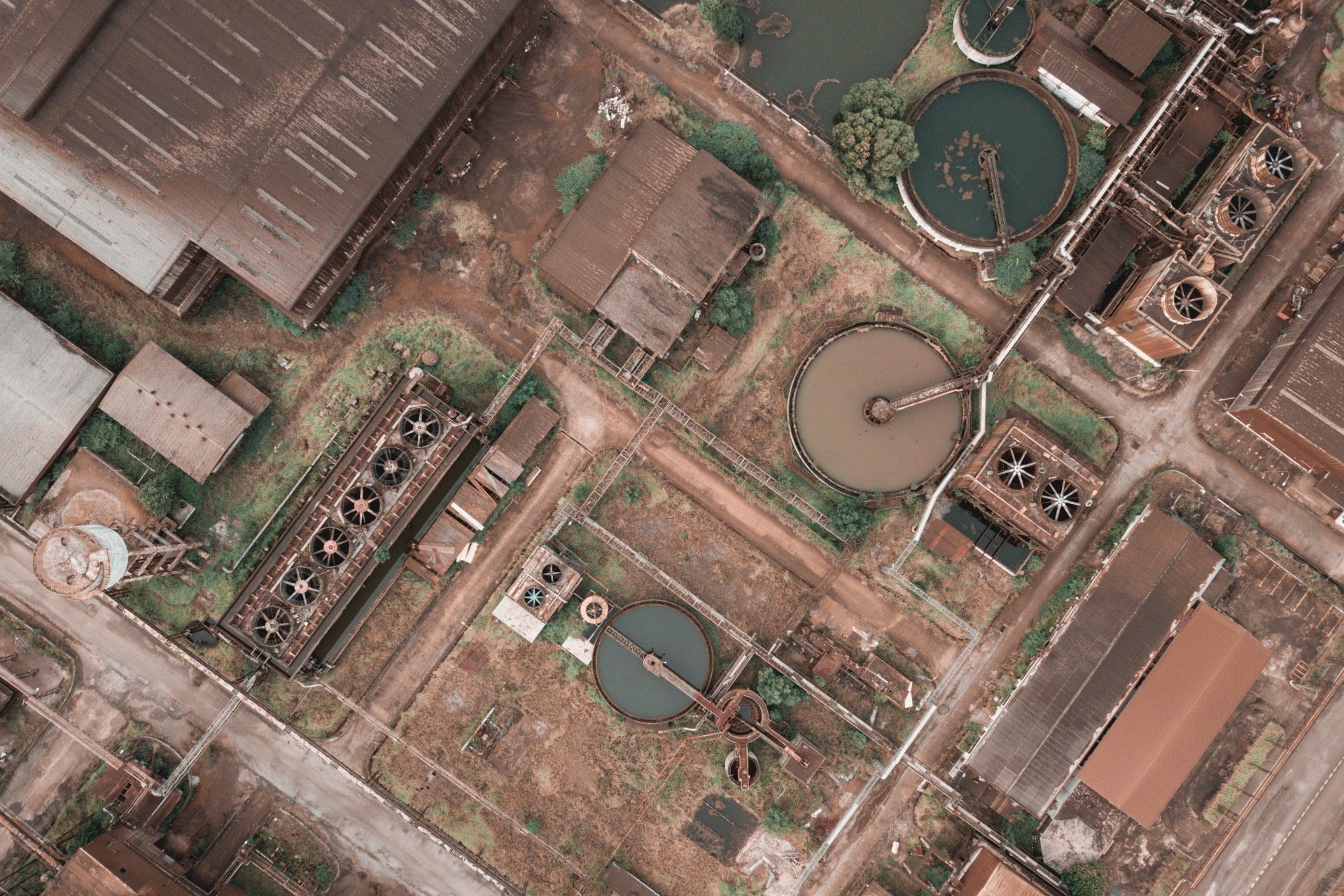
Investment in technology is pivotal in modern waste management strategies. Businesses should explore and invest in waste recycling technologies that align with their manufacturing processes.
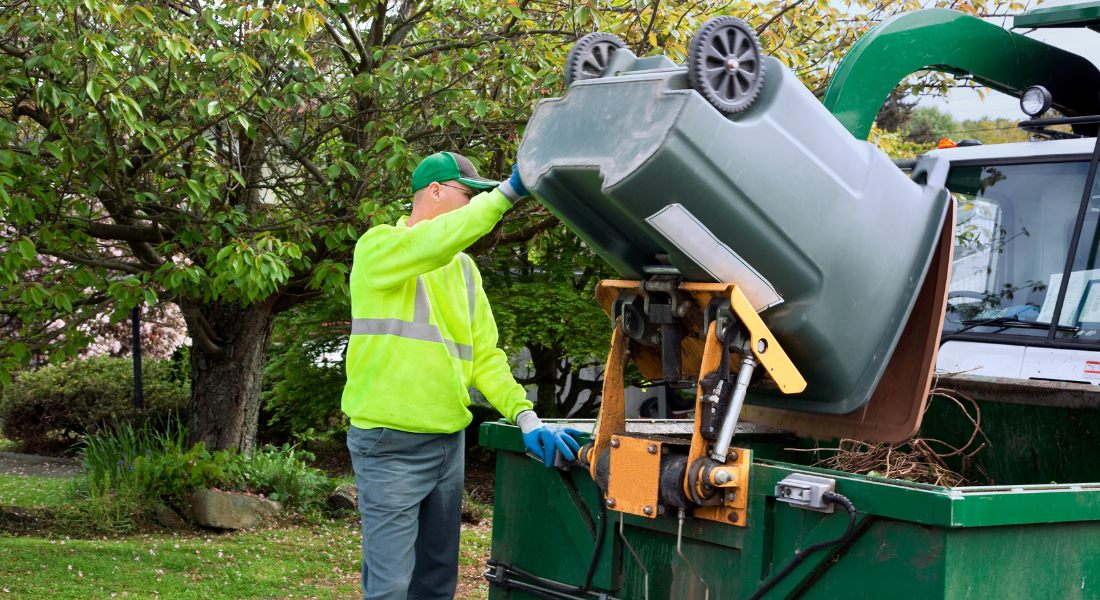
Learn about the stages of trash as it travels from the bin to the landfill and decomposes, including disposal, transportation, sorting, and breakdown. Understand your role in the waste life cycle through conscious consumption, proper sorting, and advocacy.
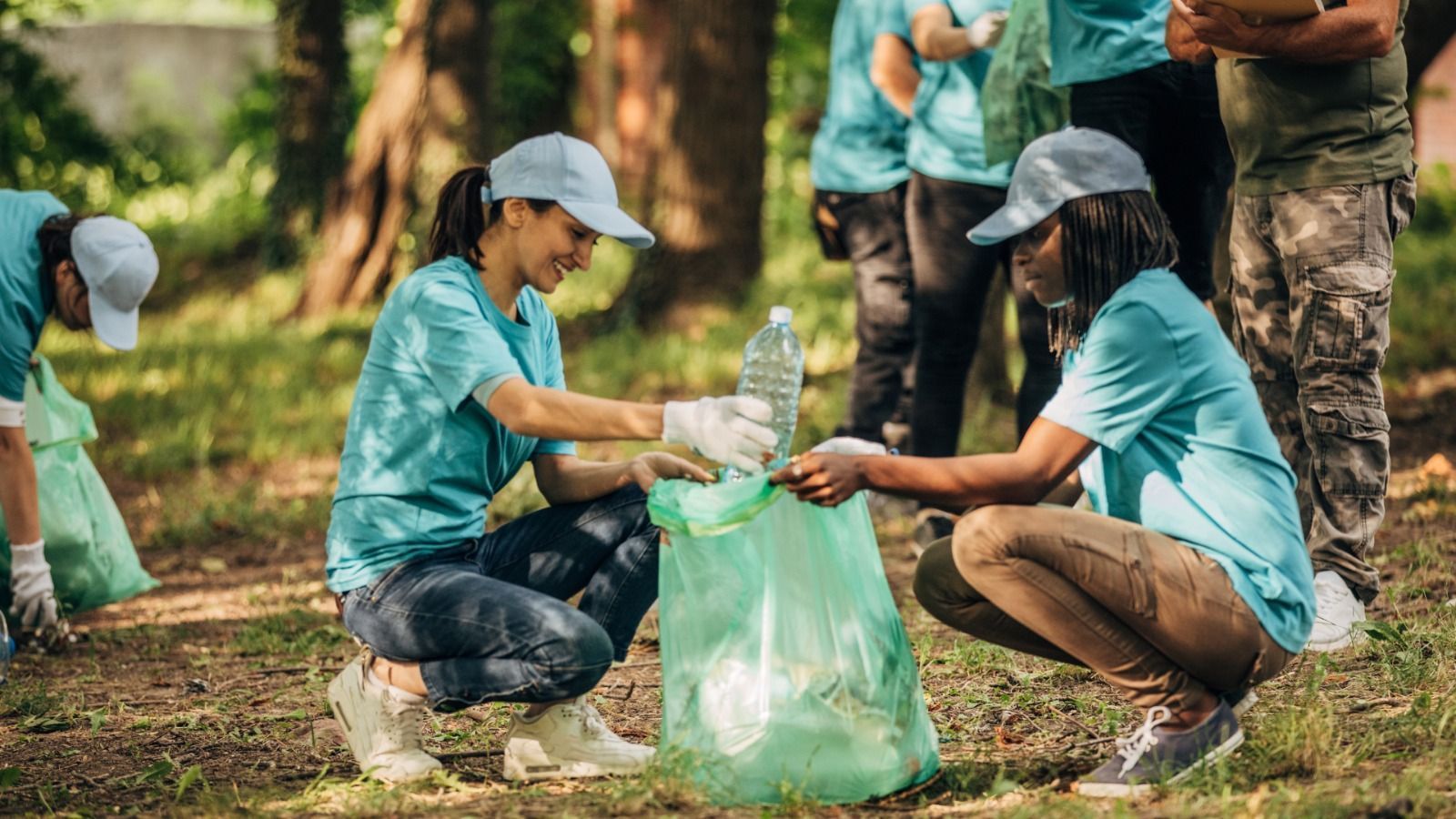
Single-use plastics pollute ecosystems, leach chemicals into food, and accumulate in landfills. Explore their environmental and health impacts and solutions to reduce plastic waste.

Employees play a crucial role in the successful implementation of waste solutions. Continuous training programs can keep the staff updated on best practices, new technologies, and methodologies for waste reduction.
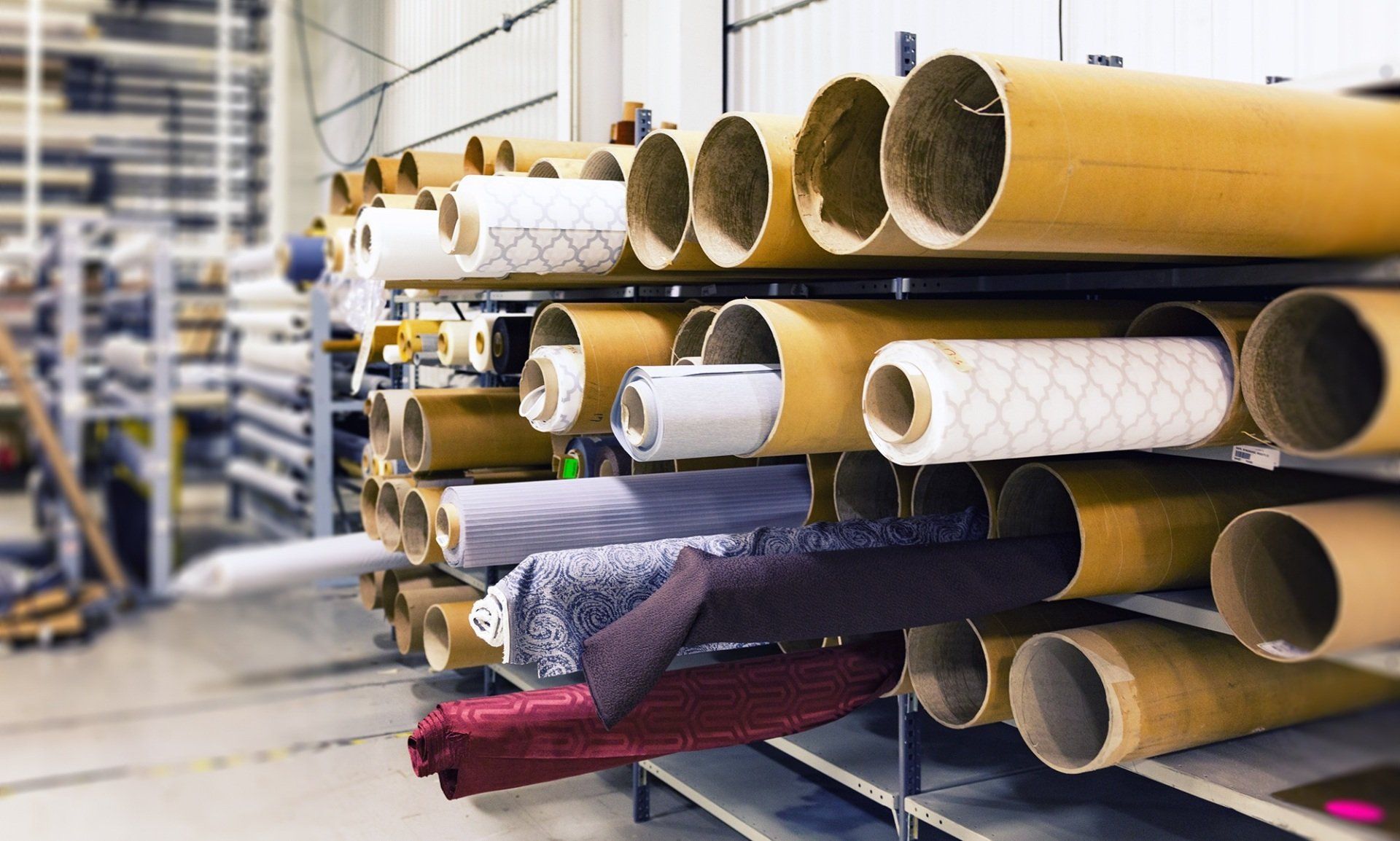
A successful business is not just about optimizing profits but also managing resources efficiently. For manufacturing businesses, waste management is paramount. Identifying areas where waste is generated is the first step towards finding effective waste solutions.

Fast fashion harms the planet through water pollution, CO2 emissions, and textile waste. Learn eco-friendly solutions to reduce your clothing footprint through sustainable laundry, recycling, and disposal.
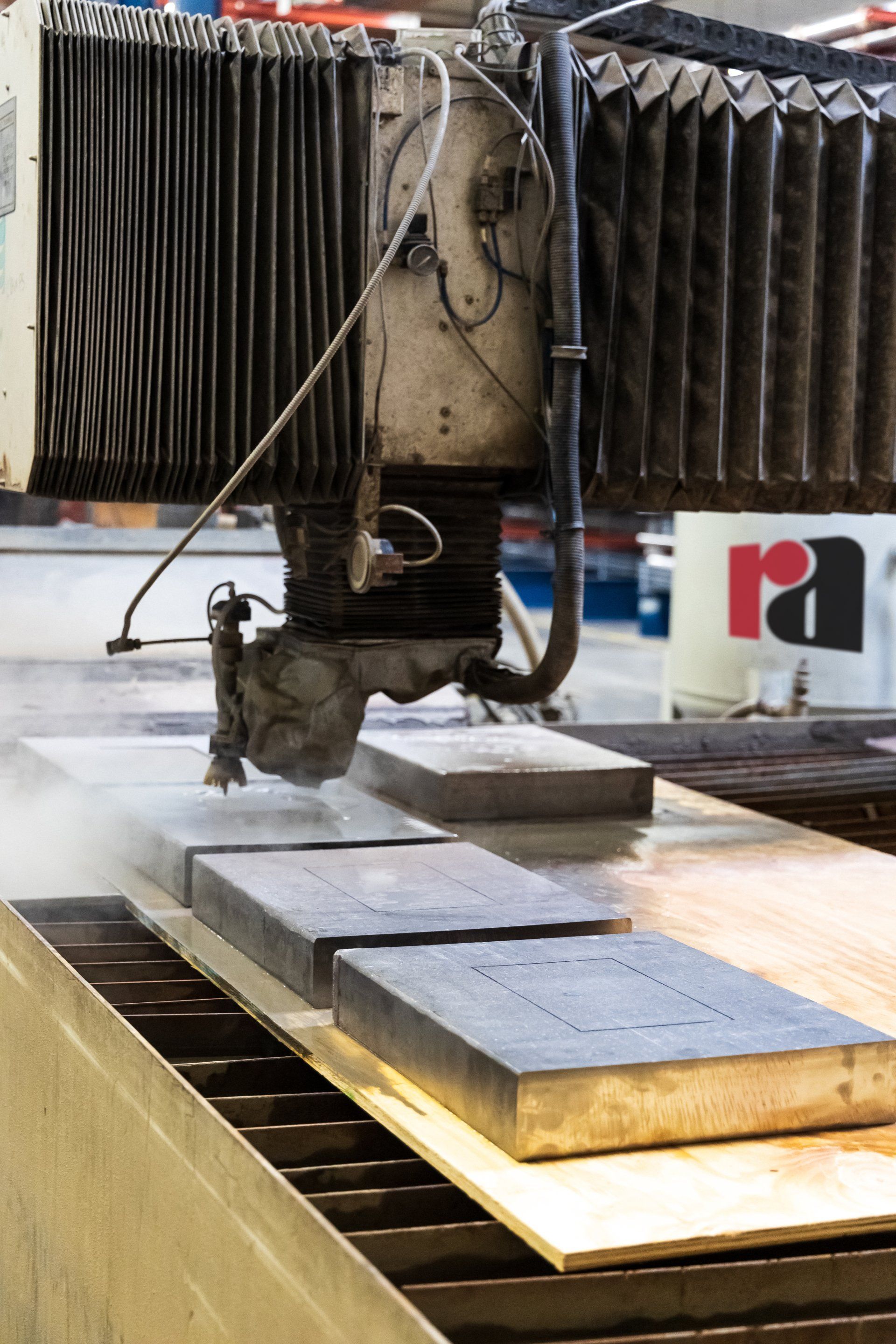
Strategizing on waste solutions goes beyond the confines of the business premises. It extends to the choice of suppliers and partners that a business collaborates with. Working with eco-friendly suppliers means that the products entering the manufacturing process are already optimized for minimal waste.
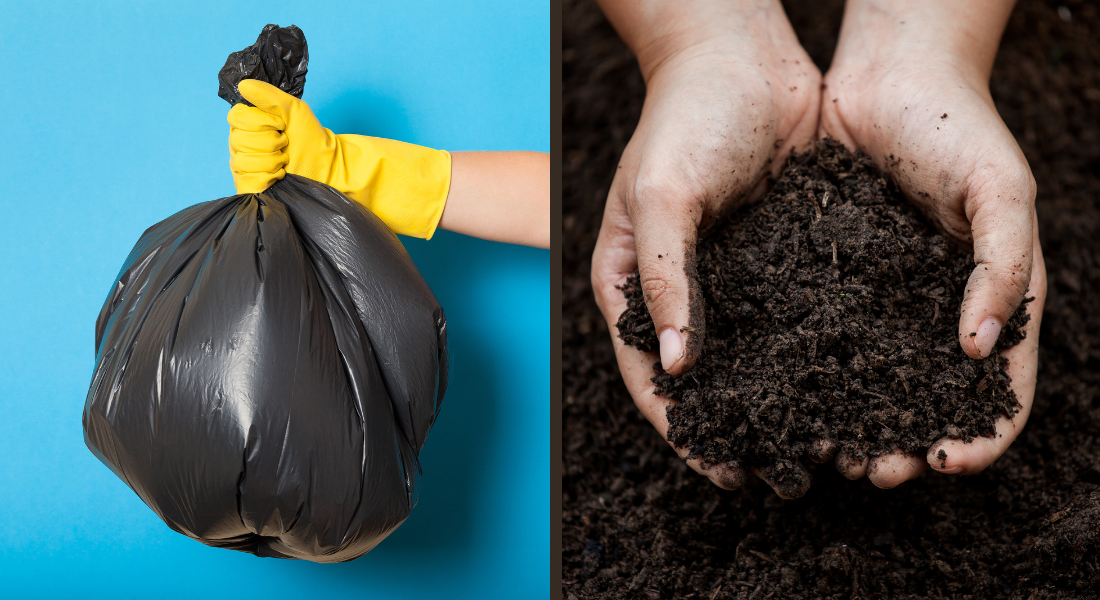
That crumpled receipt. The worn-out tennis shoes with the holes. The leftover spaghetti that's been in the fridge just a little too long. When we're ready to get rid of our waste, we toss it in the bin without a second thought. But where does our trash go after it leaves our homes? What happens to it next? The life cycle of garbage is more complex than you might think. By understanding the path our waste takes, we can make more informed choices to reduce its environmental impact.
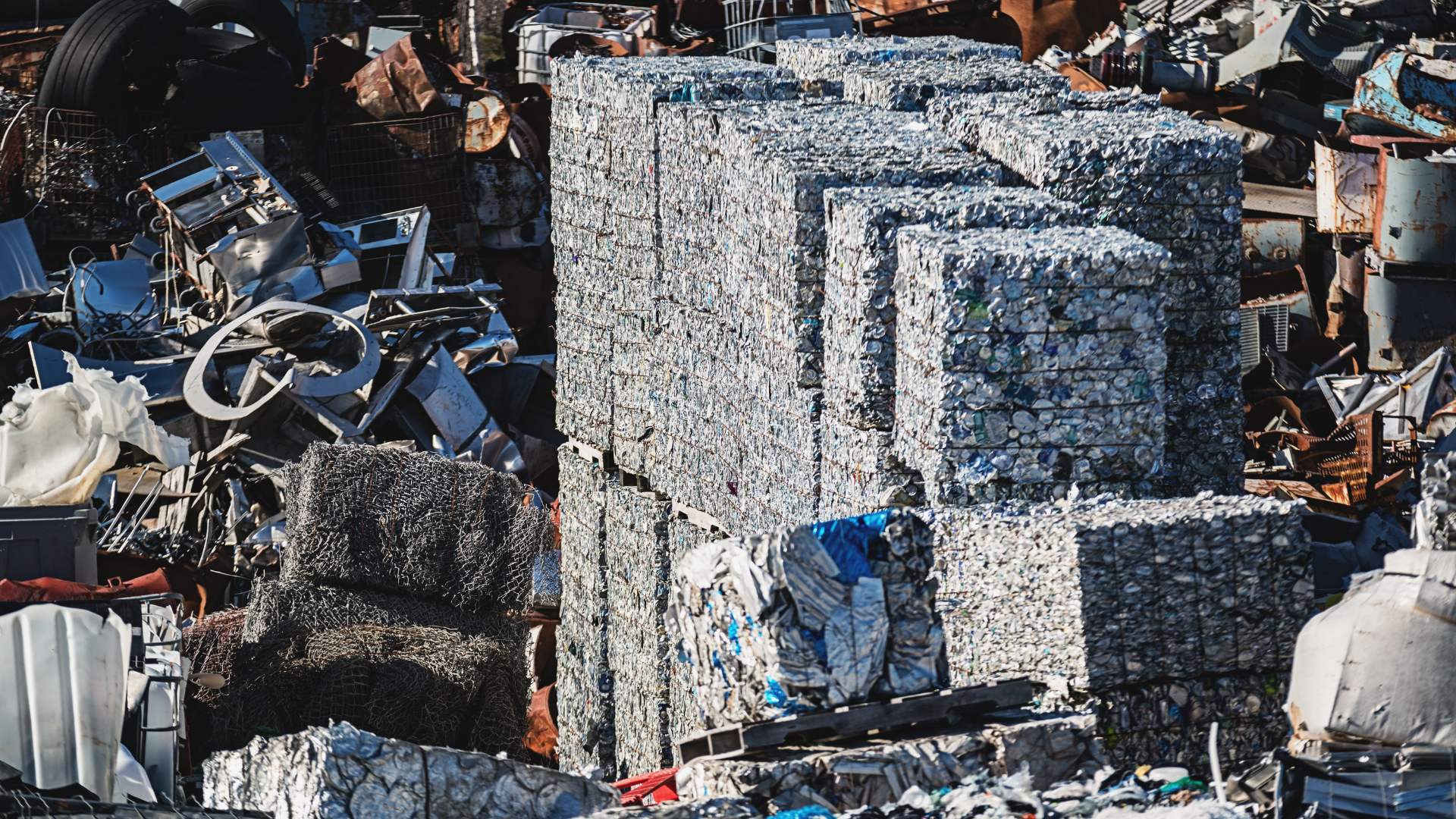
Discover what happens when you recycle, how different materials are processed and why recycling is essential for a sustainable future.
Discover the importance of responsible waste management, and learn what you can do to reduce waste and protect our planet from the adverse effects of waste pollution.